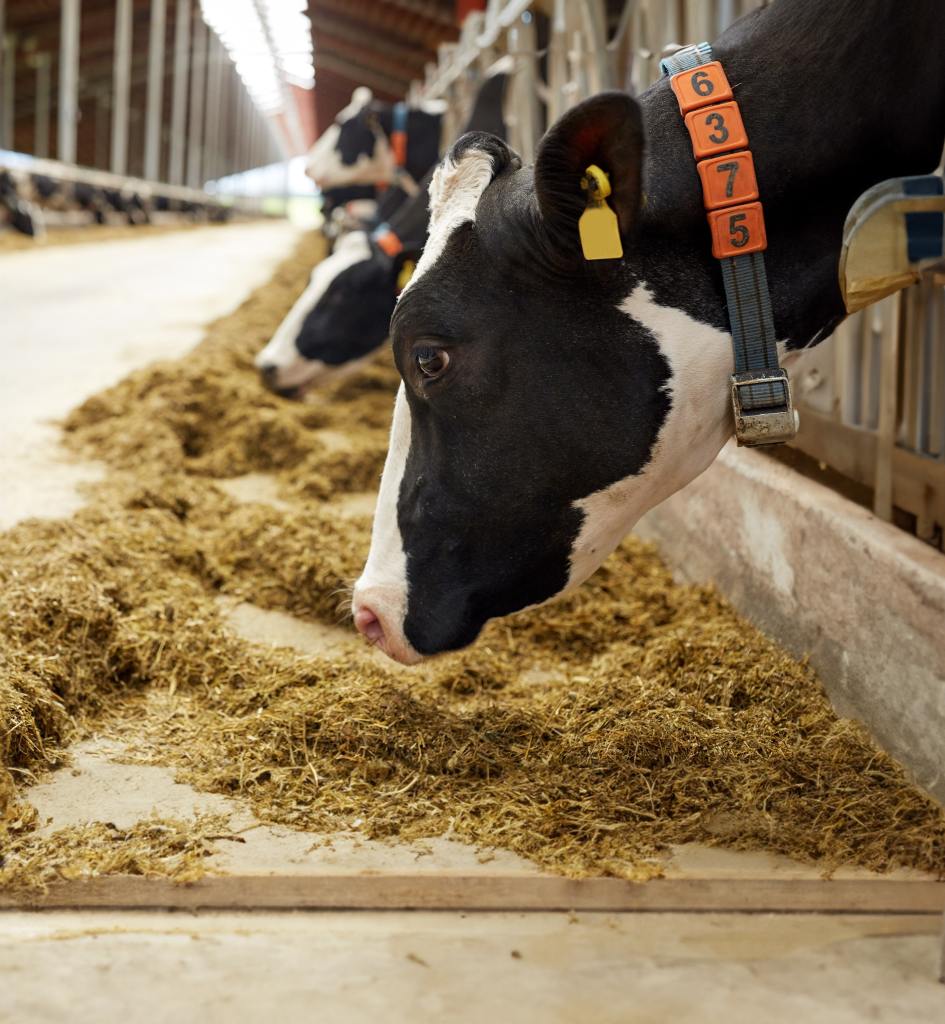
Agricultural and food processing facilities face unique challenges when it comes to waste management and sustainable practices. Biochar offers a promising solution for these facilities by providing an environmentally friendly and cost-effective approach to waste utilization. By converting organic waste materials, such as crop residues and food processing byproducts, into biochar through thermal processing, these facilities can minimize waste disposal and transform it into a valuable resource with various applications.
Biochar derived from agricultural and food processing waste offers multiple benefits. Firstly, it can be used as a soil amendment, enhancing soil health, nutrient retention, and water-holding capacity, leading to improved crop productivity. Secondly, biochar can be utilized as a renewable energy source, reducing the reliance on fossil fuels in these facilities. Moreover, biochar application contributes to carbon sequestration, mitigating greenhouse gas emissions and supporting sustainable practices within the agricultural and food processing sectors.